
Crisis rarely announces itself with polite warning. It arrives as noise, confusion, and fractured decision-making, often compressing hours of consequence into minutes of chaos. For organisations, the difference between resilience and collapse lies not only in planning, but in preparation that feels real enough to matter. This is where virtual reality steps out of the realm of novelty and into something far more consequential: a rehearsal space for the unpredictable.
Traditional crisis management training has long relied on tabletop exercises, static manuals, and hypothetical walkthroughs. These methods, while useful, often lack the visceral tension that defines real emergencies. Reading about a chemical spill is one thing; standing inside a simulated facility where alarms blare, visibility drops, and time pressure builds is entirely another. Virtual reality bridges this gap by turning abstract scenarios into lived experiences, allowing participants to engage not just intellectually, but physically and emotionally.
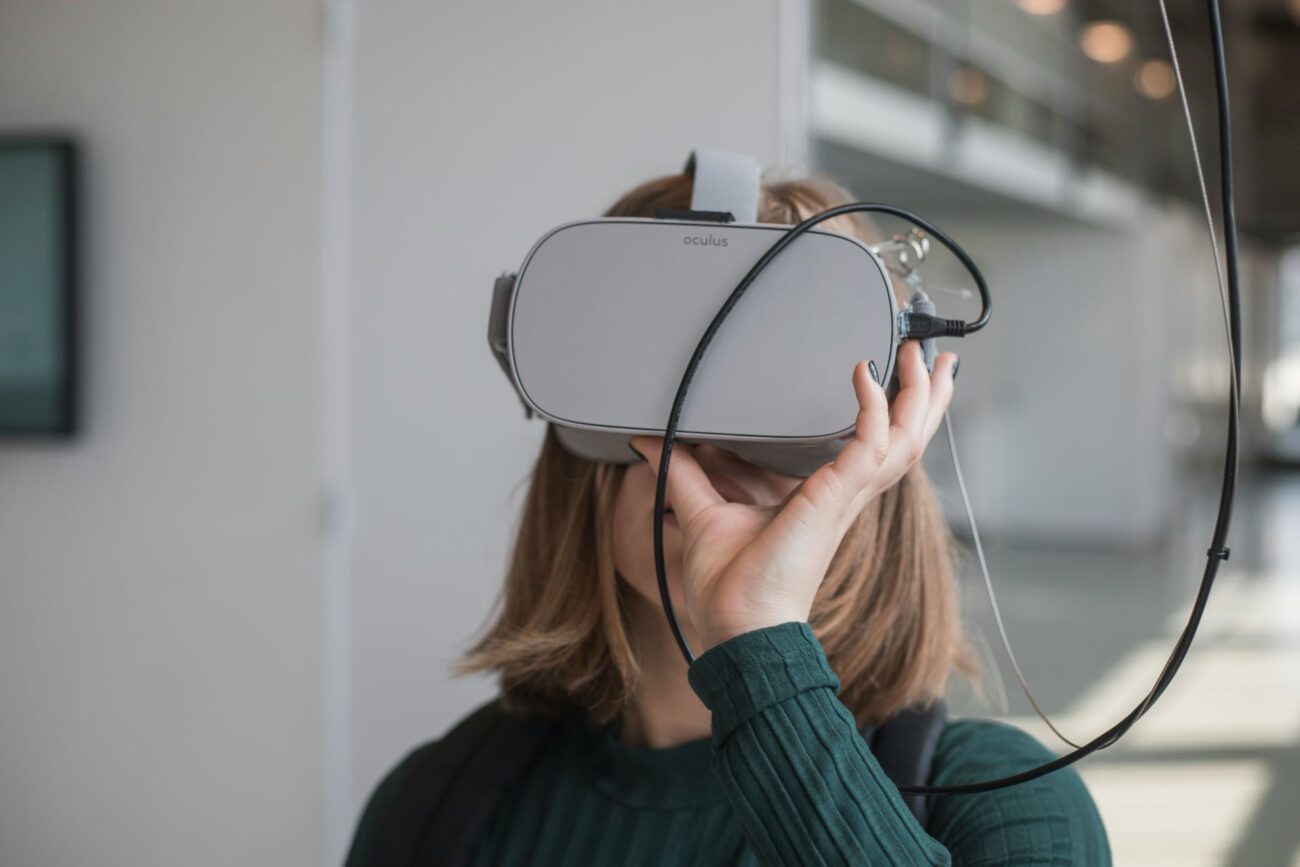
In a virtual environment, organisations can recreate disasters with unsettling precision. Fires spread dynamically, infrastructure fails in cascading sequences, and human behavior unfolds in unpredictable ways. Trainees are no longer passive observers. They move, decide, communicate, and adapt within a space that responds to their actions. The result is a kind of learning that embeds itself deeper than theory, because it is felt rather than simply understood.
One of the most significant advantages of virtual reality in crisis training is its ability to simulate rare but high-impact events. Many organisations will never face a large-scale disaster, yet they must be prepared as if they will. VR allows these low-probability scenarios to be explored repeatedly without real-world risk. An executive team can experience a cyberattack escalating in real time. Emergency responders can navigate a collapsing structure. Logistics teams can test supply chain disruptions triggered by geopolitical shocks. Each scenario becomes a controlled storm, intense but safe, where mistakes are not failures but data points.
The emotional realism of virtual reality is particularly valuable. Under pressure, human cognition behaves differently. Decision-making narrows, communication falters, and stress responses take over. VR exposes trainees to these conditions in a way that traditional methods cannot replicate. Heart rates rise, urgency becomes tangible, and the weight of consequence feels immediate. This kind of exposure builds not just knowledge, but composure. It trains individuals to operate within the storm, not merely around it.
Beyond individual performance, virtual reality excels at testing organisational coordination. Crises are rarely solved by a single actor. They require synchronised effort across departments, often under fragmented information. VR scenarios can involve multiple participants, each with distinct roles and responsibilities. A security team responds to a breach while communications manage public messaging, and leadership makes strategic decisions with incomplete data. The environment becomes a living system, revealing how well these moving parts align or collide.
Another layer of value emerges in the ability to pause, rewind, and analyse. After a simulation, organisations can dissect every decision, every hesitation, every missed signal. Unlike real crises, where reflection is clouded by urgency and consequence, VR provides a clean record of events. Patterns emerge. Weak points become visible. Training evolves from a one-time exercise into a continuous feedback loop, steadily refining both strategy and execution.
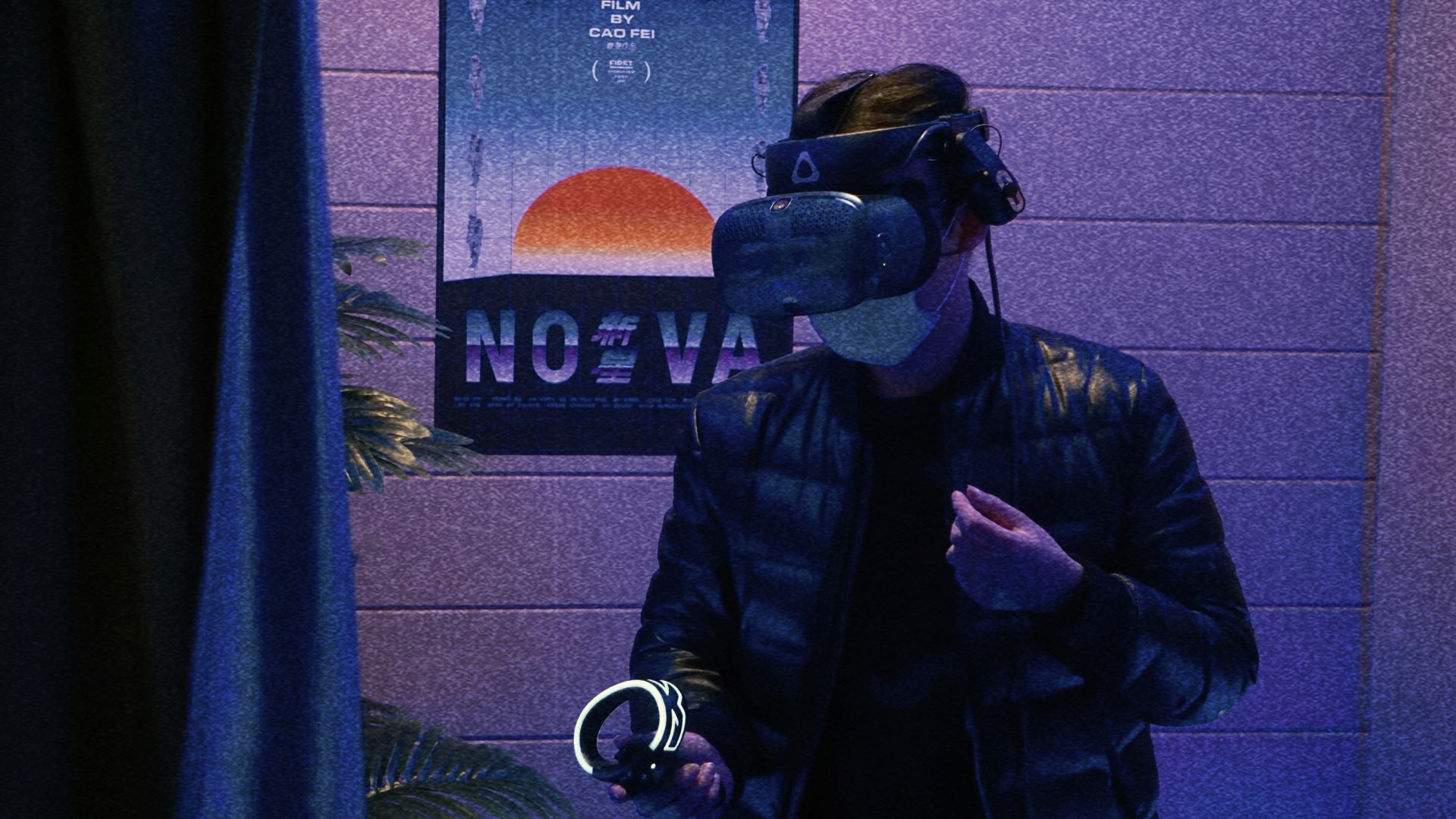
Cost and accessibility, once barriers to immersive training, are steadily diminishing. Advances in hardware and software have made VR more scalable, allowing organisations of varying sizes to integrate it into their preparedness strategies. What was once the domain of specialised sectors like aviation or the military is now expanding into healthcare, manufacturing, finance, and public services. Each industry brings its own risks, and VR adapts accordingly, shaping simulations that reflect specific operational realities.
There is also a subtle but important cultural shift that VR encourages. When training becomes immersive and engaging, participation changes. Employees who might have treated traditional exercises as procedural obligations begin to approach VR scenarios with genuine attention. The experience commands focus. It invites curiosity. It turns preparedness into something active rather than administrative. Over time, this fosters a culture where readiness is not a checkbox, but a shared mindset.
Yet, virtual reality is not a silver bullet. Its effectiveness depends on thoughtful implementation. Scenarios must be grounded in real risks, not exaggerated spectacle. Objectives need to be clearly defined, ensuring that simulations align with organisational goals. Integration with broader crisis management frameworks is essential, so that insights gained in VR translate into actionable improvements. Technology provides the stage, but strategy writes the script.
Ethical considerations also come into play. The realism that makes VR effective can also make it intense. Simulations must be designed with care, balancing authenticity with psychological safety. Participants should be supported, debriefed, and guided through the learning process. The aim is to build resilience, not to overwhelm.
As organisations navigate an increasingly complex risk landscape, the demand for effective crisis preparedness continues to grow. Climate events intensify, cyber threats evolve, and global interdependencies create new vulnerabilities. In this environment, static plans are no longer sufficient. Preparation must be dynamic, adaptive, and experiential. Virtual reality offers a way to meet this demand, transforming training from a passive exercise into an active rehearsal for reality.
There is something quietly powerful about standing in a simulated crisis and knowing that it is not real, yet treating it as if it is. Decisions carry weight, actions have consequences, and outcomes unfold in real time. It is a paradox that works in the organisation’s favor: a safe space that feels dangerous enough to teach.
In the end, crisis management is not about predicting every possible disruption. It is about building the capacity to respond when the unexpected arrives. Virtual reality does not eliminate uncertainty, but it reshapes how organisations engage with it. It turns uncertainty into something that can be explored, tested, and understood before it ever manifests in the real world.
And when the alarms do sound for real, those who have already walked through the fire, even a virtual one, are far more likely to move with clarity instead of hesitation. In that moment, preparation reveals its true value, not as a document on a shelf, but as a practiced instinct.