In the ever-evolving landscape of virtual reality and augmented reality, the Apple Vision Pro stands out as a beacon of innovation, blending the physical and digital worlds in ways previously unimaginable. At Virtual Reality (https://virtual-reality.co.za), we had the unique opportunity to delve into the capabilities of the Apple Vision Pro, exploring its potential to redefine spatial computing. This review aims to provide an in-depth analysis of the Apple Vision Pro, based on our comprehensive experience and insights into its performance, design, and application potential.
Unboxing the Future: First Impressions
The Apple Vision Pro arrives in packaging that is both sleek and indicative of the cutting-edge technology within. From the moment you lift the lid, it's clear that Apple has poured its considerable expertise into creating a device that's as visually appealing as it is technologically advanced. The initial setup process, though intricate, is a testament to Apple's commitment to a personalized user experience.
Unboxing the Apple Vision Pro is an experience that begins the moment you lay eyes on its packaging. Apple has always understood that the journey starts with the box itself—a sleek, minimalist design that whispers luxury and innovation. The packaging of the Apple Vision Pro is no exception, featuring clean lines and a simplicity that belies the complexity of the technology within. The box's texture, a smooth matte finish, invites you to explore what lies inside, promising an encounter with the future of spatial computing.
As you lift the lid, the experience unfolds with a deliberate pace, each layer and component presented with precision. The Apple Vision Pro rests inside, cradled in a custom-fitted enclosure that speaks to Apple's commitment to product safety and aesthetics. The device itself greets you with its sleek, contoured design, its materials chosen not just for durability but for a tactile quality that feels both new and familiar in your hands.
The initial setup process is as much a part of the unboxing experience as the physical reveal. Upon powering on the Apple Vision Pro, you're greeted with a setup sequence that is intuitive yet comprehensive. This process is not merely about tailoring the device to your preferences but also about introducing you to the Apple Vision Pro's capabilities and interface. Apple's guided setup includes facial recognition scans and spatial audio calibration, ensuring that the device is perfectly attuned to your personal environment from the outset. This attention to detail in the setup process highlights Apple's philosophy that technology should adapt to the user, not the other way around.
The packaging also includes an array of accessories, each with its own place within the box. From the braided power cable that promises durability and aesthetic appeal, to the magnetic prescription lens inserts that cater to individual visual needs, every component is designed with care. The inclusion of a high-quality carrying case, while an additional purchase, suggests a lifestyle accessory rather than a mere protective cover, indicating Apple's vision of the Apple Vision Pro as a companion for both work and leisure.
Moreover, the documentation provided with the Apple Vision Pro is concise yet informative, offering quick start guides and safety information without overwhelming the user. Apple's approach to documentation ensures that you have all the information you need to begin exploring the device's capabilities, with further resources available online for a deeper dive into its features.
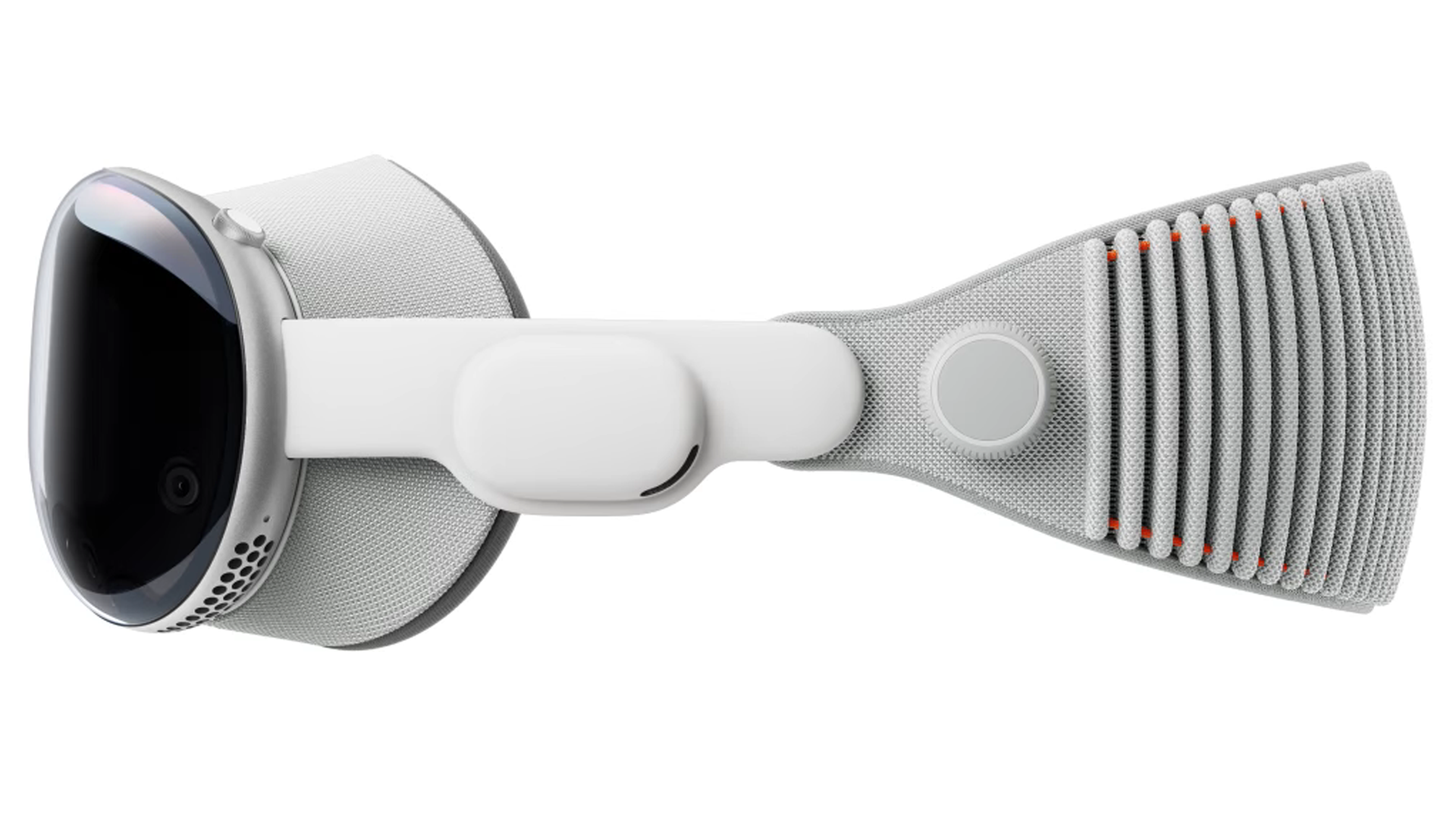
In every aspect, the unboxing of the Apple Vision Pro is a journey through Apple's vision for the future of computing. It's an invitation to explore, learn, and ultimately immerse yourself in a device that promises to redefine our interaction with digital spaces. This first impression sets the tone for your experience with the Apple Vision Pro, marking the beginning of a journey into a world where the boundaries between physical and digital realms blur, creating possibilities that were once the realm of science fiction.
Design and Comfort: Wearing the Future
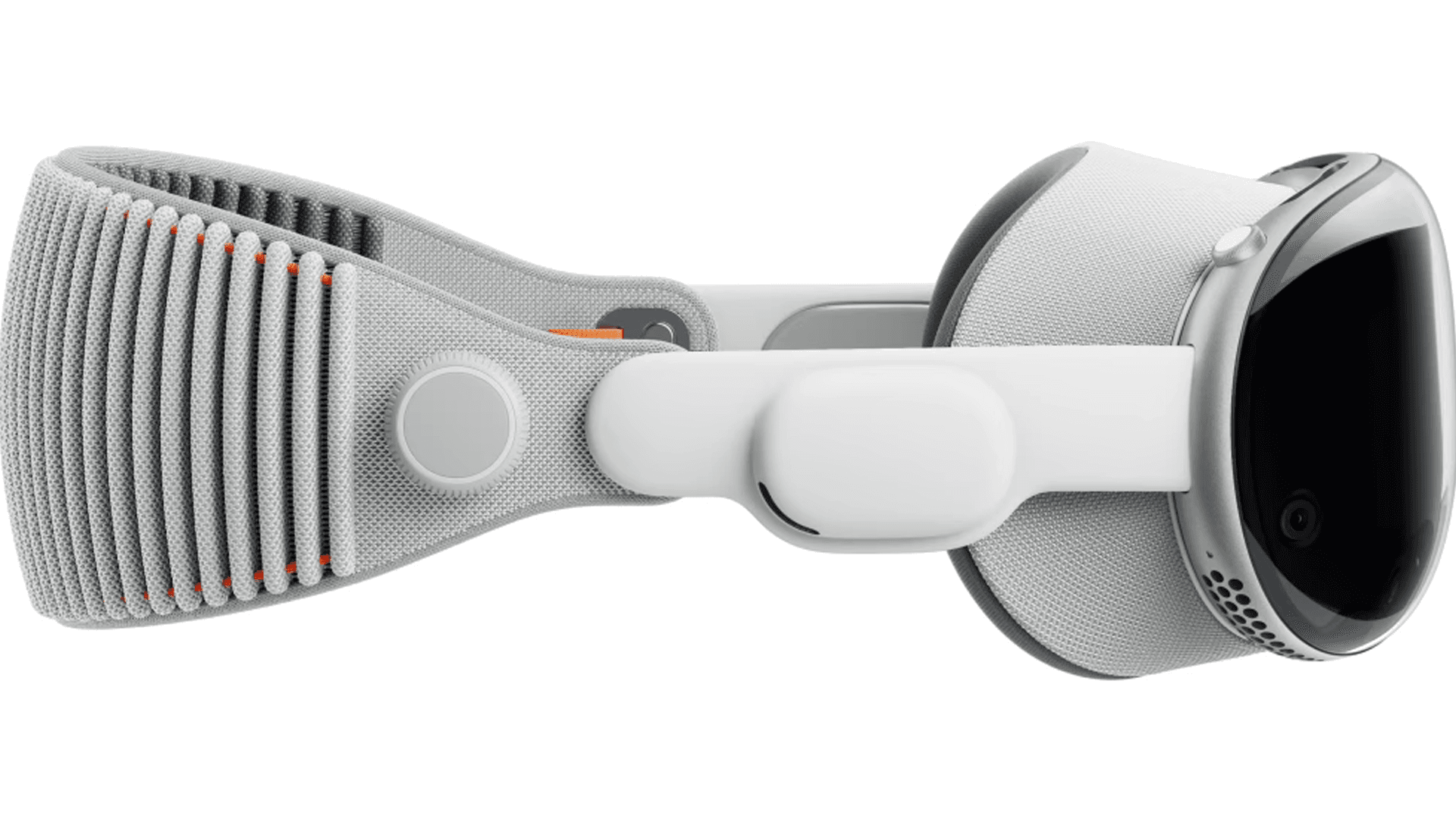
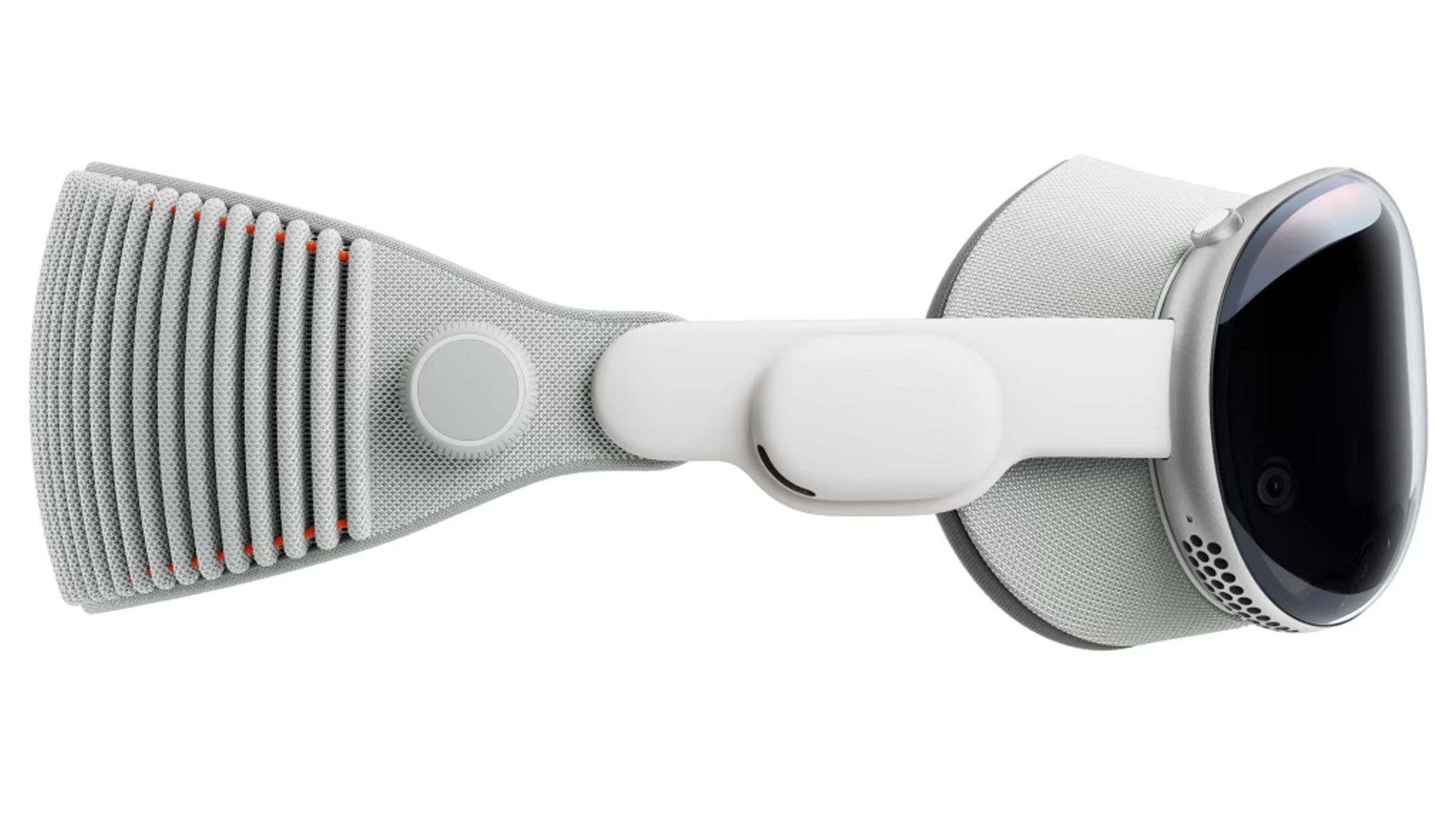
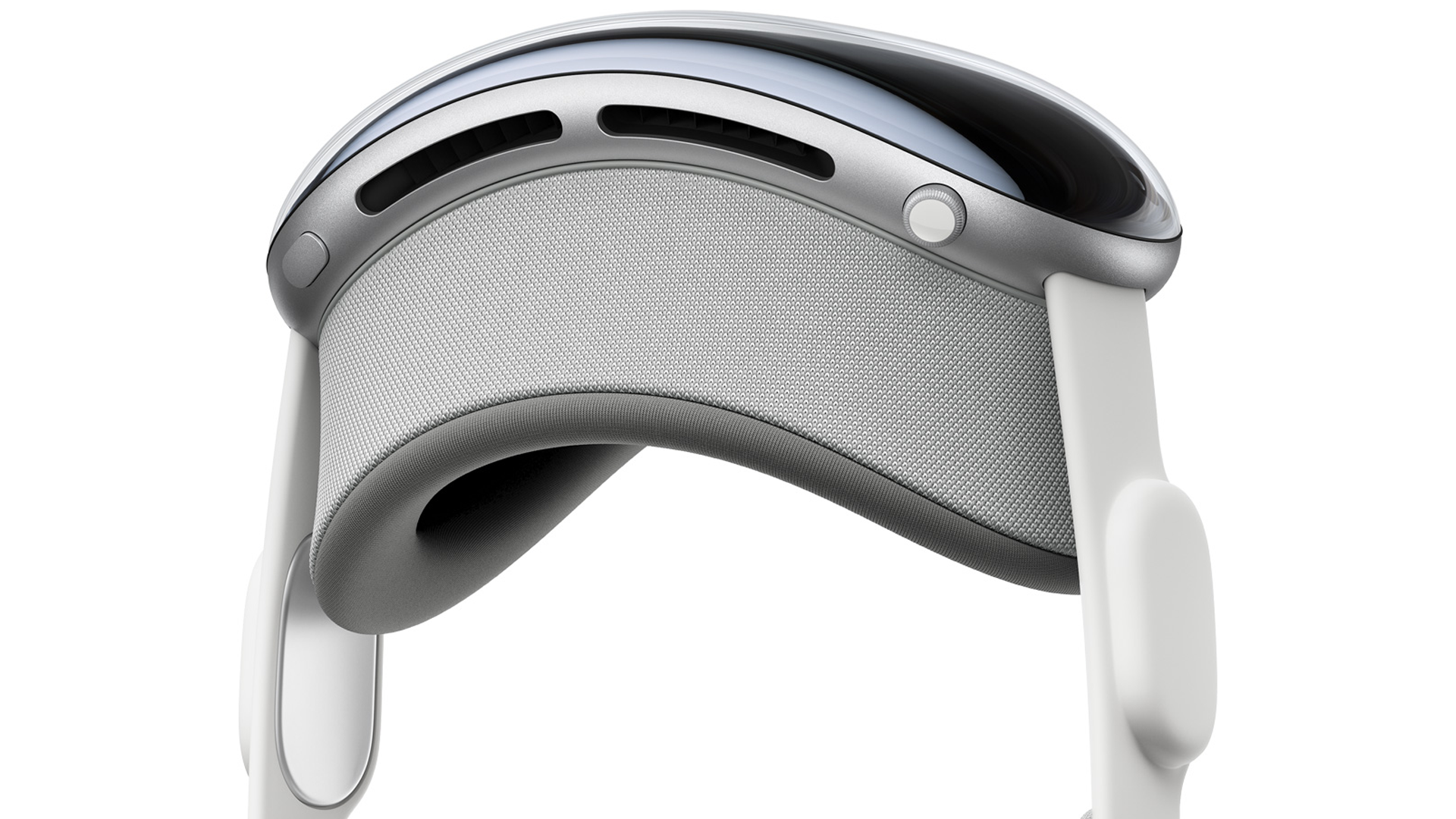
The design of the Apple Vision Pro echoes Apple's signature aesthetic: minimalist, elegant, and functional. Weighing in at just under a pound, the device is surprisingly comfortable, a crucial factor for prolonged use. The Apple Vision Pro's head straps ensure a secure fit, though they may challenge your hairstyle's integrity. Its design is not just about looks; it's a functional marvel, balancing the demands of advanced computing with the need for user comfort.
The Apple Vision Pro is a testament to Apple's unparalleled ability to marry form with function, presenting a device that is as much a piece of modern art as it is a pinnacle of technology. The headset's design adheres to Apple's iconic minimalist aesthetic, featuring smooth curves and a monochromatic color scheme that exudes elegance and sophistication. This adherence to simplicity, however, belies the complexity of the technology housed within its sleek frame. The Apple Vision Pro is designed to be both a statement piece and a window into new realities, blending seamlessly into the user's life and style.
Ergonomically, the Apple Vision Pro represents a significant advancement in wearable technology. Despite its robust capabilities, the device maintains a surprisingly lightweight profile at just under a pound. This achievement in weight reduction is crucial for a device intended for prolonged use, minimizing strain on the neck and shoulders. Apple's commitment to comfort is further evidenced in the design of the head straps. Crafted from premium materials that balance flexibility with strength, the straps offer a secure yet comfortable fit, adaptable to a wide range of head shapes and sizes. This adaptability ensures that the device remains firmly in place, even during movements, without exerting undue pressure on the skull or temples.
However, the integration of comfort and functionality extends beyond the physical weight and fit of the device. Apple has ingeniously designed the Apple Vision Pro to accommodate the varied needs of its users. For instance, the concern for hairstyle integrity, often overlooked in the design of wearable tech, is addressed through the strategic positioning and padding of the straps. This thoughtful design choice minimizes disruption to the user's appearance, a nod to the device's role not just as a tool, but as a part of the user's daily ensemble.
The materials selected for the Apple Vision Pro also play a critical role in its comfort and usability. The external surfaces are composed of a high-quality, soft-touch material that feels pleasant against the skin and reduces the risk of irritation during extended wear. Meanwhile, the interior, which comes into direct contact with the face, utilizes a hypoallergenic fabric that enhances breathability and prevents overheating—a common concern with enclosed headsets. This choice of materials reflects a deep understanding of the physiological aspects of wearable design, ensuring that the device can be worn for hours with minimal discomfort.
Moreover, the Apple Vision Pro incorporates adjustable components that allow users to customize the fit according to their personal comfort preferences. The head straps come with easy-to-use adjustment mechanisms, enabling users to find the perfect tension. Additionally, the device includes interchangeable face pads, catering to different facial structures and ensuring a snug fit that blocks out external light without causing pressure points.
In crafting the Apple Vision Pro, Apple has not only pushed the boundaries of what's possible in terms of computing power and immersive experience but has also redefined expectations for how comfortable and accessible such a device can be. The Apple Vision Pro stands as a beacon of design excellence, proving that it is possible to wear the future without compromise.
Visual and Auditory Excellence
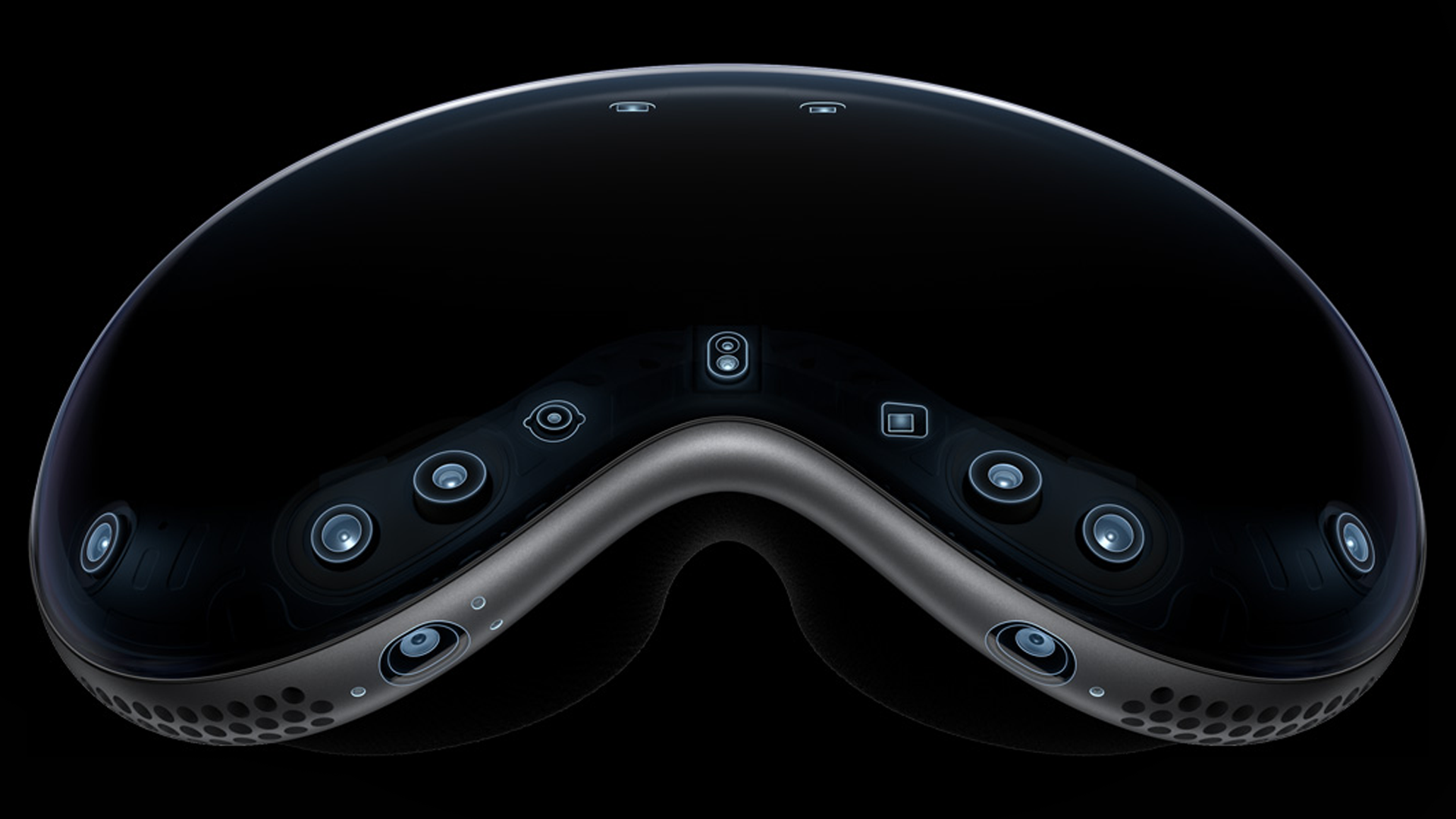
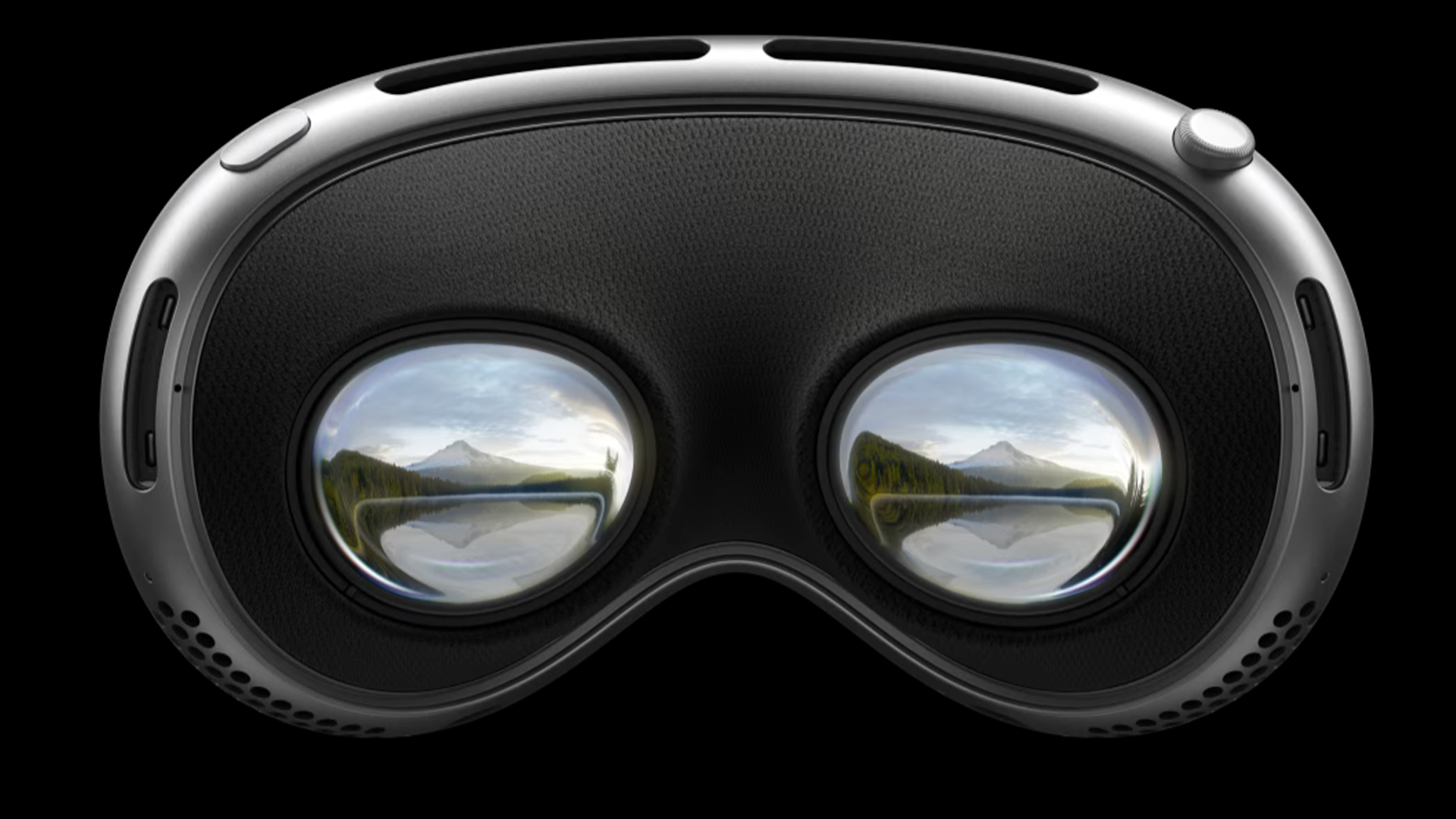
The Apple Vision Pro's display technology is nothing short of revolutionary. With a 4K display for each eye, the visuals are crisp, immersing users in a vividly detailed digital world. The audio quality, powered by spatial audio technology, complements the visual spectacle, creating an immersive experience that's both auditory and visual.
Delving deeper into the "Visual and Auditory Excellence" of the Apple Vision Pro, we explore the intricate details and innovative technologies that elevate this device to the forefront of immersive experience. Apple's dedication to creating a seamless blend of high-fidelity visuals and lifelike audio sets a new benchmark for what users can expect from mixed reality devices.
Unparalleled Visual Clarity
The Apple Vision Pro ushers in a new era of visual fidelity with its cutting-edge display technology. Each eye is treated to a 4K resolution display, providing an unprecedented level of detail and clarity that brings virtual worlds to life. This high-resolution output ensures that every texture, color, and motion is rendered with astonishing precision, making digital experiences feel as real as the physical world. The device leverages advanced OLED technology, known for its high contrast ratios and deep blacks, to produce images with vibrant colors and true-to-life brightness levels. This visual quality not only enhances the immersion but also significantly reduces the strain on the eyes, allowing for longer and more comfortable use.
The Apple Vision Pro also incorporates dynamic focal adjustments, a feature that mimics the natural behavior of the human eye by automatically adjusting the focus for different virtual distances. This innovation addresses one of the common challenges in VR technology, creating a more natural and comfortable viewing experience that reduces the risk of motion sickness and visual fatigue.
Spatial Audio: A Symphony of Precision
Complementing its visual prowess, the Apple Vision Pro features spatial audio technology that envelops the user in a soundscape of unparalleled depth and realism. Spatial audio uses advanced algorithms to simulate how sound travels in the real world, taking into account factors such as direction, distance, and the acoustics of the environment. This results in audio that appears to come from all around the user, enhancing the sense of presence and immersion in virtual environments.
The device's audio system is finely tuned to deliver crystal-clear sound quality, from the subtlest whisper to the most thunderous explosion, with incredible fidelity. Moreover, the Apple Vision Pro is designed to personalize the audio experience, calibrating the sound to the user's head and ear shapes to optimize the spatial audio effect. This personalized audio ensures that every user experiences sound in the most realistic and immersive way possible.
Harmonizing the Senses
The integration of visual and auditory excellence in the Apple Vision Pro creates a harmonious sensory experience that is more than the sum of its parts. By closely aligning what users see and hear, the device achieves a level of immersion that truly transports them to another place, whether it's the heart of a bustling cityscape, the serene depths of an alien ocean, or the front row of a concert.
This sensory harmony also plays a crucial role in enhancing the believability of interactive experiences. As users navigate virtual spaces, the precise alignment of visual and auditory cues provides a coherent and intuitive understanding of their surroundings, making interactions feel natural and responsive.
Setting a New Standard
The Apple Vision Pro's commitment to visual and auditory excellence is emblematic of Apple's overarching philosophy to push the boundaries of what technology can achieve. By investing in state-of-the-art display and audio technologies, Apple not only sets a new standard for immersive devices but also opens up new possibilities for content creators and developers to craft experiences that were previously unimaginable.
In sum, the visual and auditory excellence of the Apple Vision Pro not only elevates the user's experience to new heights but also redefines the landscape of spatial computing. Through its revolutionary display and audio technologies, the Apple Vision Pro invites users to step into a world where the digital and physical merge into one, offering a glimpse into the future of immersive entertainment, education, and collaboration.
The Heart of the Apple Vision Pro: Performance and Interaction
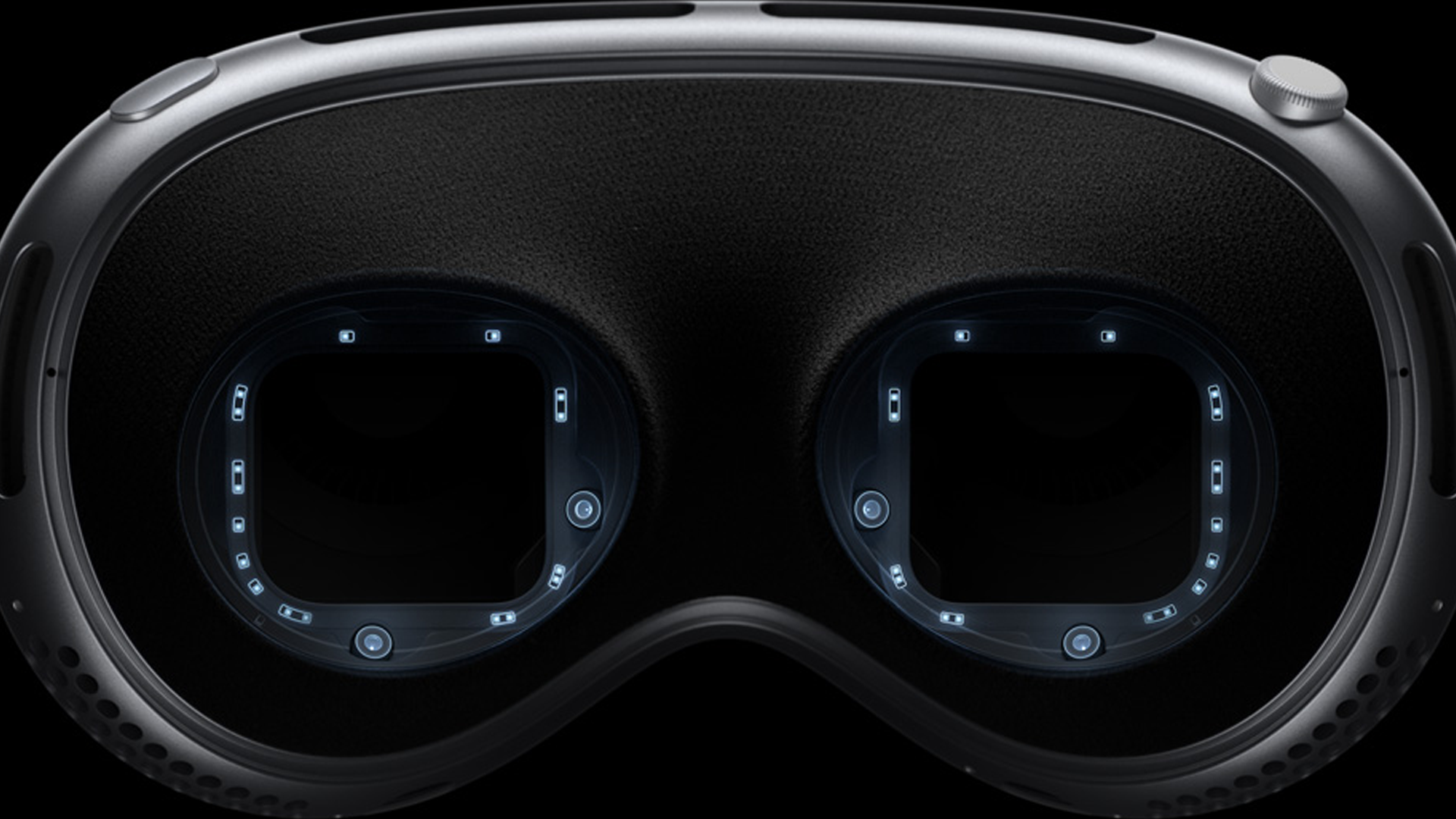
Powered by Apple's M2 and the new R1 processors, the Apple Vision Pro handles complex computations with ease, although it tends to run warm due to its processing power. The device introduces an innovative interaction system, utilizing hand gestures, eye tracking, and voice commands, marking a significant leap forward in how we interact with digital content.
Applications and Use Cases: Beyond Entertainment
The Apple Vision Pro shines in various applications, from gaming and media consumption to educational and professional use cases. However, it's in the blending of virtual and real-world elements that the Apple Vision Pro truly demonstrates its prowess as a spatial computing device. The potential for architects, designers, and educators is vast, opening new avenues for creativity and collaboration.
The Apple Vision Pro's applications and use cases extend far beyond mere entertainment, venturing into realms that redefine interaction, creativity, and learning. Its capabilities as a spatial computing device offer transformative potential across various industries, from architecture and design to education and beyond. By blending virtual and real-world elements, the Apple Vision Pro not only enhances existing workflows but also paves the way for new methodologies in collaboration, visualization, and interaction.
Revolutionizing Architecture and Design
For architects and designers, the Apple Vision Pro serves as a powerful tool for visualization and prototyping. With its high-fidelity display and spatial computing capabilities, professionals can immerse themselves in their creations before they are built, experiencing spaces as they would in the physical world. This immersive exploration allows for a deeper understanding of spatial relationships, lighting, materials, and the overall feel of a design, facilitating more informed decisions and creative solutions.
Moreover, the Apple Vision Pro's ability to blend virtual and real environments enables architects to place their designs in the context of the actual site, providing a comprehensive view of how a building interacts with its surroundings. This contextual visualization can be invaluable during client presentations, where immersive walkthroughs can convey the vision and intent of a project more effectively than traditional 2D renderings or models.
Transforming Education and Training
In education, the Apple Vision Pro introduces novel ways of learning and engagement. By creating immersive learning environments, students can be transported to historical sites, dive into the human body, or explore the vastness of space, all from the classroom. This experiential learning approach has the potential to enhance comprehension, retention, and interest in complex subjects.
Beyond K-12 and higher education, the Apple Vision Pro offers significant benefits for professional training and development. Medical students can practice surgical procedures in a risk-free virtual environment, while engineers can simulate and interact with machinery and systems. This hands-on experience, coupled with the safety and accessibility of a virtual space, can accelerate learning and improve outcomes in various professional fields.
Enhancing Professional Collaboration
The Apple Vision Pro reimagines collaboration in the workplace, particularly for teams distributed across different locations. With spatial computing, team members can share a virtual workspace, interacting with 3D models, data visualizations, and documents as if they were physically present. This collaborative environment not only eliminates the barriers of distance but also enables a more intuitive and effective way of working together on complex projects.
For creative professionals, such as graphic designers, animators, and video editors, the Apple Vision Pro offers a new canvas for creativity. Artists can work within three-dimensional spaces, manipulating objects and elements with precision and freedom that traditional screens cannot provide. This capability can lead to groundbreaking work in digital art, animation, and mixed reality experiences.
Pioneering New Experiences in Retail and Real Estate
The retail and real estate sectors can also leverage the Apple Vision Pro to offer unique experiences to their customers. Virtual showrooms and property tours can provide a convenient and immersive way for customers to explore products and properties. These virtual experiences not only save time and resources but also allow for personalization and interactivity that traditional methods lack.
The Apple Vision Pro's versatility and power as a spatial computing device open up a world of possibilities across various sectors. By seamlessly blending the digital and physical realms, it enables professionals to visualize, explore, and create in ways that were previously unimaginable. As developers and creators continue to harness the capabilities of the Apple Vision Pro, its applications and use cases will undoubtedly expand, further cementing its role as a transformative tool for industries worldwide.
The Social Dimension: Connectivity and Collaboration
Despite its technological marvels, the Apple Vision Pro's approach to social interactions and collaboration reveals both potential and limitations. The device's ability to create digital avatars for video calls is innovative, yet the experience can feel unsettling for some, highlighting the challenges of virtual presence.
The Apple Vision Pro's foray into enhancing the social dimension through advanced connectivity and collaboration tools underscores its ambition to redefine human interaction in the digital era. Its capabilities stretch far beyond traditional communication methods, proposing a future where virtual presence and interaction mirror the richness and complexity of real-life engagements. However, navigating the nuances of virtual social interactions presents unique challenges, balancing between groundbreaking innovation and the innate human need for genuine connection.
Innovating Social Interactions with Digital Avatars
One of the most talked-about features of the Apple Vision Pro is its use of digital avatars for video calls, representing a leap forward in virtual communication. These avatars, powered by sophisticated facial tracking technology, aim to convey emotions and expressions with a degree of realism previously unattainable in digital formats. This innovation could transform remote interactions by adding a layer of personalization and expressiveness that text or traditional video calls lack, making distant communications feel more intimate and engaging.
However, the creation and use of digital avatars also introduce complexities in how we perceive authenticity and connection. The unsettling feeling some users experience with digital avatars — often referred to as the "uncanny valley" phenomenon — highlights the delicate balance between realistic representation and the comfort level of human users. As the technology advances, refining these avatars to enhance their acceptance and emotional resonance will be crucial for fostering genuine connections.
Enhancing Collaboration in Virtual Workspaces
The Apple Vision Pro excels in creating shared virtual spaces that facilitate collaboration and creativity. These spaces allow teams to work together on projects as if they were in the same room, regardless of their physical locations. This capability is especially valuable in fields requiring high levels of visual interaction, such as design, engineering, and software development. By enabling real-time collaboration on 3D models or complex data visualizations, the Apple Vision Pro breaks down geographical barriers, fostering a more integrated and dynamic workflow.
Yet, the transition to virtual workspaces also requires a rethinking of traditional collaboration dynamics. Ensuring that these spaces remain inclusive and accessible to all team members, regardless of their familiarity with virtual reality technologies, is essential. Additionally, the nuances of non-verbal communication and the serendipity of in-person interactions must be considered to prevent virtual workspaces from becoming sterile or impersonal.
Bridging the Gap Between Digital and Physical Worlds
The Apple Vision Pro's spatial computing technology offers unique opportunities to bridge the digital and physical worlds, enhancing social interactions in novel ways. For instance, augmented reality (AR) features could allow users to share virtual experiences or objects within their physical surroundings, adding a new dimension to socializing and collaboration. Imagine discussing a new product design with a colleague by examining a life-sized 3D model in your office or sharing a virtual art piece with a friend in their living room.
However, integrating these experiences seamlessly into social interactions requires careful consideration of user context and environment. The technology must be intuitive and adaptable, ensuring that it enhances rather than disrupts the natural flow of human interaction.
Navigating the Future of Social Connectivity
As the Apple Vision Pro continues to evolve, its potential to transform social interactions and collaboration is immense. By pushing the boundaries of virtual presence and shared experiences, it offers a glimpse into a future where distance and separation are no longer barriers to human connection. However, the journey to this future involves navigating complex challenges, from ensuring the emotional authenticity of digital avatars to creating inclusive and engaging virtual workspaces.
The Apple Vision Pro stands at the forefront of this exploration, embodying both the possibilities and the pitfalls of enhancing social connectivity through technology. As developers and users alike adapt to and influence the capabilities of the Apple Vision Pro, the device's role in shaping the social dimension of digital interaction will undoubtedly continue to grow, promising new avenues for connection, collaboration, and shared human experiences.
Navigating the Digital World: User Interface and Experience
The Apple Vision Pro's user interface borrows familiar elements from iOS, offering an intuitive experience for Apple users. The Digital Crown and gesture controls are seamless, though the experience of navigating digital spaces can feel isolating, a reminder of the device's physical presence.
Navigating the digital world through the Apple Vision Pro presents a unique intersection of familiarity and innovation, drawing on established principles from iOS to create an intuitive user interface that feels both new and recognizable. This approach ensures that users accustomed to Apple's ecosystem can quickly adapt to the Vision Pro's environment, leveraging the muscle memory and habits developed through years of iPhone or iPad use. However, as users delve deeper into the capabilities of the Apple Vision Pro, the nuances of its user interface and the broader experience of interacting with digital spaces reveal both the device's remarkable potential and the inherent challenges of virtual navigation.
Intuitive Design Meets Spatial Interaction
At the heart of the Apple Vision Pro's user interface is the Digital Crown, a feature that Apple users will find familiar from the Apple Watch. This tactile element serves as a bridge between traditional interaction methods and the spatial computing world, allowing users to scroll through menus, zoom in and out of content, or adjust settings with precision and ease. The incorporation of the Digital Crown into the Vision Pro's interface exemplifies Apple's commitment to creating user-friendly devices, ensuring that even the most advanced features are accessible through simple, intuitive controls.
Gesture controls in the Apple Vision Pro take the user experience further into the realm of spatial computing, enabling interactions that feel natural and fluid. Users can navigate virtual spaces, select items, or manipulate objects with hand movements that the system interprets with surprising accuracy. This leap from touchscreen taps and swipes to three-dimensional gestures represents a significant evolution in how we interact with technology, offering a more immersive and engaging way to explore digital content.
The Isolation Paradox
Despite these advancements, the experience of navigating digital spaces with the Apple Vision Pro can sometimes underscore a sense of isolation from the physical world. The immersion that makes the device so captivating can also create a barrier, as the enveloping nature of virtual reality means users are visually and audibly cut off from their surroundings. This isolation can be particularly pronounced during prolonged use, where the distinction between the user's physical environment and the virtual space becomes blurred, reminding users of the device's physical presence as a mediator of their digital experience.
Addressing this paradox is a challenge for Apple and the broader VR community, as the goal is to enhance immersion without sacrificing connectivity to the real world. Future iterations of the Vision Pro and its interface may explore ways to integrate real-world awareness more seamlessly, possibly through augmented reality overlays or notifications that keep users anchored to their physical context.
Enriching the User Experience
To enrich the user experience and mitigate feelings of isolation, the Apple Vision Pro could incorporate more social features and collaborative tools within its interface. Enabling users to share virtual spaces with others in real-time, for example, could transform solitary activities into shared experiences, fostering a sense of community and connection. Additionally, enhancing the device's ability to seamlessly switch between virtual and augmented reality modes could allow users to engage with digital content while remaining visually connected to their surroundings, offering the best of both worlds.
The development of the Apple Vision Pro's user interface and overall user experience is an ongoing journey, one that balances the thrill of innovation with the comfort of familiarity. As Apple continues to refine this balance, the Vision Pro is poised to redefine not just how we interact with digital content, but how we perceive and engage with the world around us. The challenge lies in creating a device that offers profound immersion without leading to isolation, ensuring that users can navigate the digital world with ease, confidence, and a sense of connection to the physical world they inhabit.
Vision Pro's Achilles Heel: Battery Life and Portability
The two-hour battery life of the Apple Vision Pro is its most glaring limitation, constraining the device's use in long-duration activities. The external battery pack, while a necessary component for its power needs, adds a layer of complexity to its use in mobile scenarios.

The Verdict: A Mixed Reality Masterpiece with Room to Grow
The Apple Vision Pro stands as a testament to Apple's engineering and design prowess, offering a glimpse into the future of spatial computing. However, its high price point, certain ergonomic challenges, and the nascent state of its application ecosystem suggest that the Apple Vision Pro is a first step towards realizing the full potential of mixed reality.
In conclusion, our experience with the Apple Vision Pro at Virtual Reality has been profoundly insightful, revealing a device that offers unparalleled immersion and interactivity. While it heralds a new era in spatial computing, it also underscores the journey ahead in refining and expanding the use cases for such advanced technology. The Apple Vision Pro is not just a product; it's a promise of future possibilities, a canvas for developers, creators, and users to imagine and create new realities.
As the Apple Vision Pro evolves, it will undoubtedly become more integral to our digital lives, shaping how we interact with the world around us. Stay tuned to Virtual Reality for further updates and in-depth analysis of the Apple Vision Pro and other cutting-edge technologies shaping our future.
The Apple Vision Pro, with its advanced display, intuitive interface, and immersive capabilities, serves as a beacon for the future of technology. Its ability to blend the digital and physical worlds in seamless, interactive experiences presents a new frontier in computing, one that could redefine entertainment, work, education, and social interaction. However, as with any pioneering technology, the journey is as significant as the destination. The high price point and ergonomic considerations present hurdles to widespread adoption, suggesting that the Vision Pro is currently more suited to early adopters and professionals in fields where its capabilities can be fully leveraged.
The Promise of Growth
The nascent state of the Apple Vision Pro's application ecosystem is both a challenge and an opportunity. It reflects the device's position at the forefront of a rapidly evolving technological landscape, where the full scope of its capabilities is yet to be discovered. As developers and creators dive deeper into the potential of the Vision Pro, we can expect to see a blossoming of applications and experiences that leverage its unique features. This evolution will not only enhance the device's utility but also broaden its appeal to a wider audience.
A Canvas for Creativity
The Apple Vision Pro represents more than just a step forward in hardware; it is a platform for creativity and innovation. It invites developers, designers, and artists to explore new forms of expression and interaction, pushing the boundaries of what's possible in digital spaces. As this canvas is explored, the Vision Pro will play a pivotal role in shaping new experiences that merge the realms of imagination and reality, offering users ways to connect, learn, and play that were previously inconceivable.

The Road Ahead
As we look to the future, the Apple Vision Pro's role in our digital lives is poised to grow. Its impact will extend beyond the individual, influencing industries, reshaping professional practices, and inspiring new forms of collective experiences. The ongoing refinement of its design and capabilities, coupled with a reduction in cost, will be key to unlocking its full potential and ensuring its place as a cornerstone of spatial computing.
In essence, the Apple Vision Pro is a glimpse into a future where technology enhances every facet of human experience with unprecedented depth and fidelity. It challenges us to reimagine our relationship with the digital world, offering a blend of virtual and physical realities that enriches our lives in complex, meaningful ways.
Stay tuned to Virtual Reality for the latest developments, insights, and analyses of the Apple Vision Pro and other technologies that are shaping our future. As we continue to explore this revolutionary device, we invite our readers to join us in envisioning and creating the new realities that lie just over the horizon.
The Apple Vision Pro, introduced by Apple, represents a significant leap forward in personal technology, marking the company's entry into the mixed reality space. This device is a head-mounted display designed for immersive experiences, combining elements of virtual reality (VR) and augmented reality (AR) to create a mixed reality (MR) environment. Here's an overview of its key features and capabilities:
- Mixed Reality Technology: The Apple Vision Pro blends digital content with the real world, allowing users to interact with virtual objects and information while still being aware of and able to see their physical surroundings. This creates a seamless integration of virtual and real environments for a variety of uses, from entertainment and gaming to productivity and educational applications.
- Advanced Display and Optics: It features high-resolution displays and sophisticated optics that deliver crisp, vivid visuals, creating a highly immersive viewing experience. This technology ensures that virtual content is rendered with remarkable clarity and depth, enhancing the realism of the MR experience.
- Spatial Audio: Incorporating spatial audio technology, the Apple Vision Pro provides an audio experience that matches the immersive visual experience, with sound that seems to come from all around the user. This enhances the sense of presence in virtual environments, making the experience more engaging and realistic.
- User Interface and Interaction: The device introduces innovative ways to interact with digital content, including voice commands, hand gestures, and eye tracking. This allows for intuitive control and navigation within the mixed reality environment, making the technology accessible and user-friendly.
- Applications and Use Cases: The Apple Vision Pro is designed for a wide range of applications, including immersive gaming, virtual meetings, and interactive learning. It also promises to revolutionize fields such as design and architecture by enabling detailed virtual prototyping and visualization.
- Design and Comfort: Apple is known for its attention to design and ergonomics, and the Vision Pro is expected to follow this tradition with a comfortable, lightweight design that can be worn for extended periods without discomfort. This focus on user comfort is crucial for ensuring that the device can be used for both short and long-duration activities.
- Ecosystem Integration: As with other Apple products, the Vision Pro is likely to be deeply integrated with the Apple ecosystem, offering seamless connectivity with other Apple devices and services. This could include synchronization with the user's Apple ID, access to the App Store for downloading MR applications, and integration with services like iCloud and Apple Music.
GeraldFerreira
Founder and VR Pioneer at Virtual Reality South Africa. Creating high-impact Virtual Reality, Augmented Reality, 360° Video, 3D Modeling, and immersive software experiences in South Africa.